Lexi Frank, Ph.D.
Field Museum of Natural History

Lexi Frank, Ph.D.
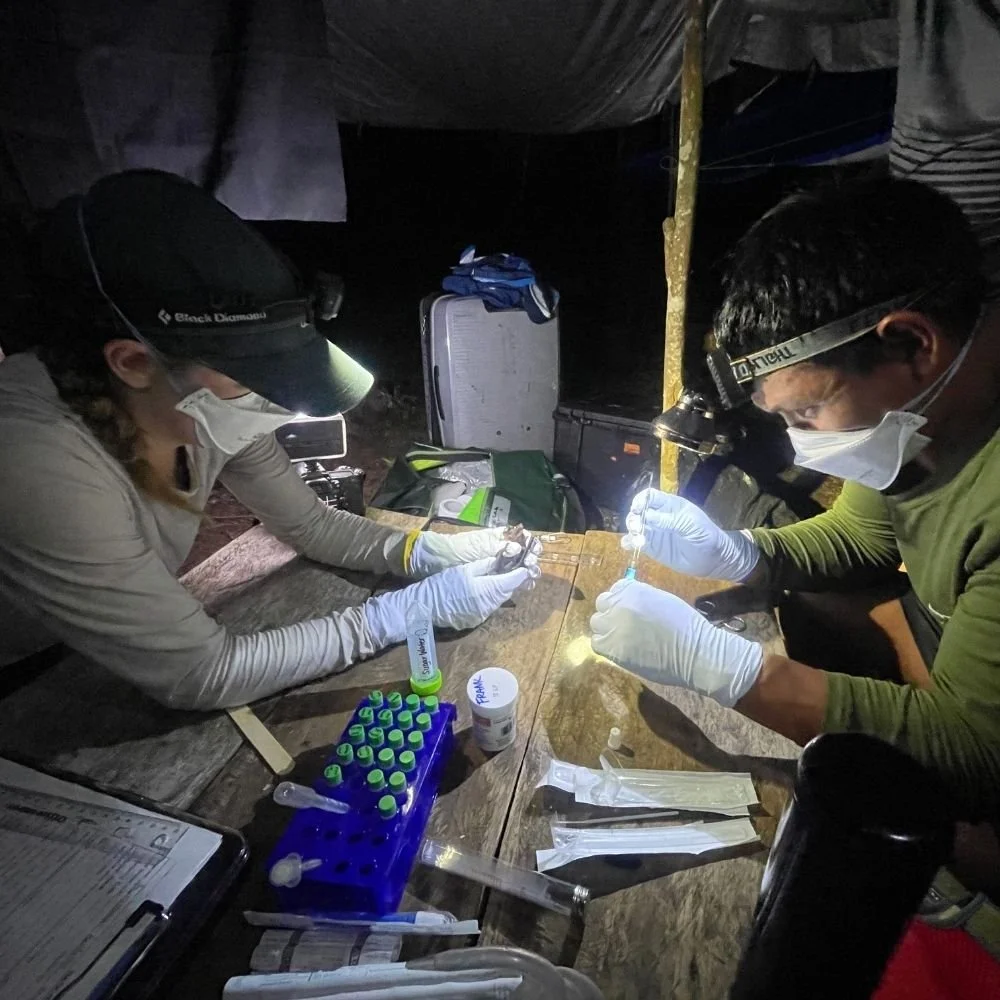
Lexi Frank is a molecular ecologist and evolutionary biologist specializing in mammalian disease ecology and bat evolution. Using an integrative approach, she combines traditional fieldwork with next-generation molecular techniques, including a portable laboratory. Her current research in Guyana, South America explores how land-use changes and cultural practices shape bat diversity and the transmission of bat-associated trypanosomes, a disease-causing parasite. By bridging molecular science with Traditional Ecological Knowledge through collaboration with the Indigenous Waiwai people, she seeks to understand the complex pathogen transmission cycles to inform conservation and protect the connected health of humans, animals, and environment.
Project Summary
Bridging One Health Research and Traditional Ecological Knowledge to Understand Bat-associated Trypanosomes across a Human-modified Indigenous Landscape in Guyana
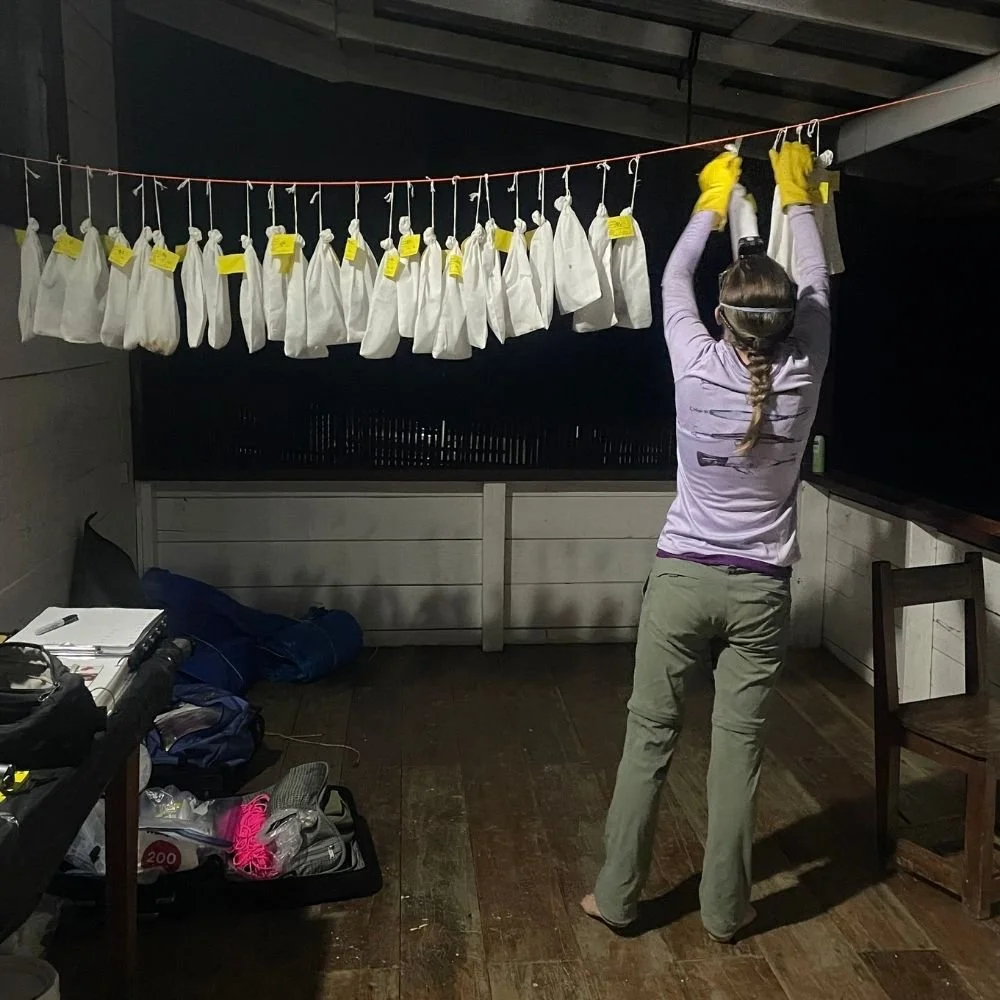
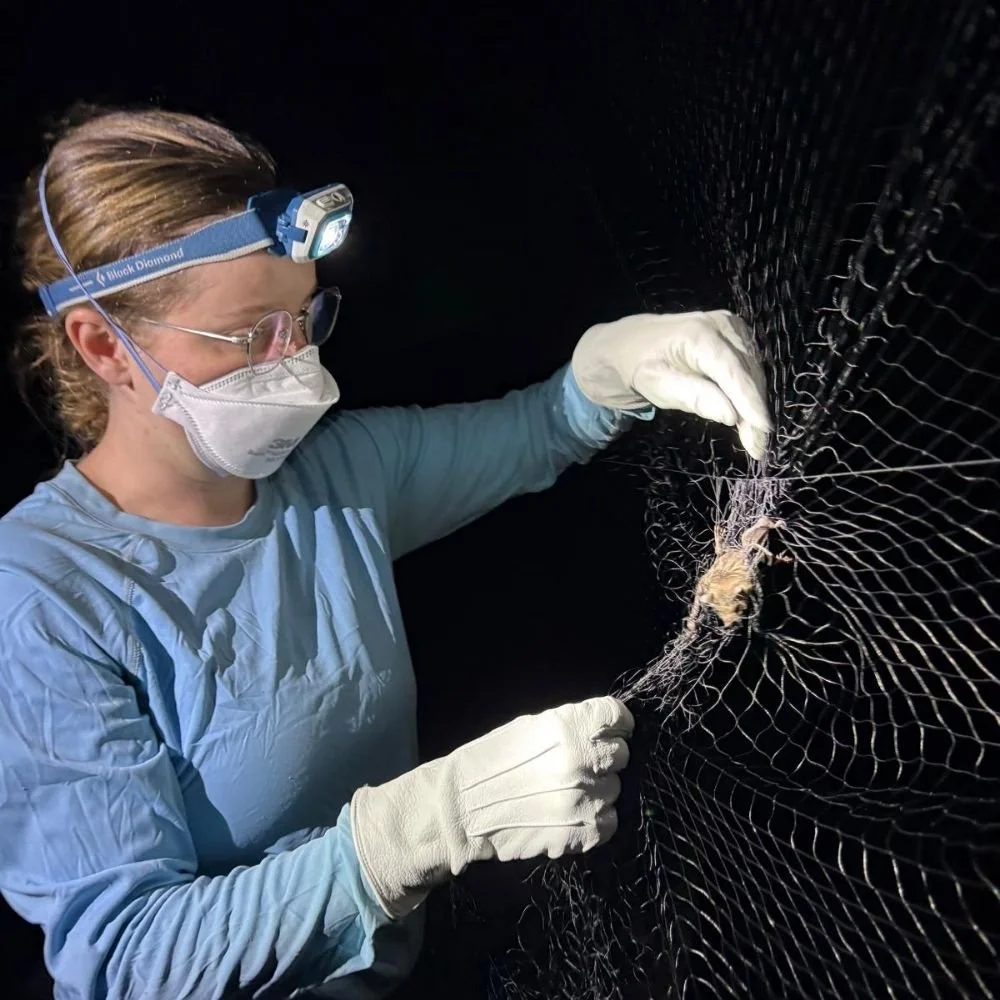
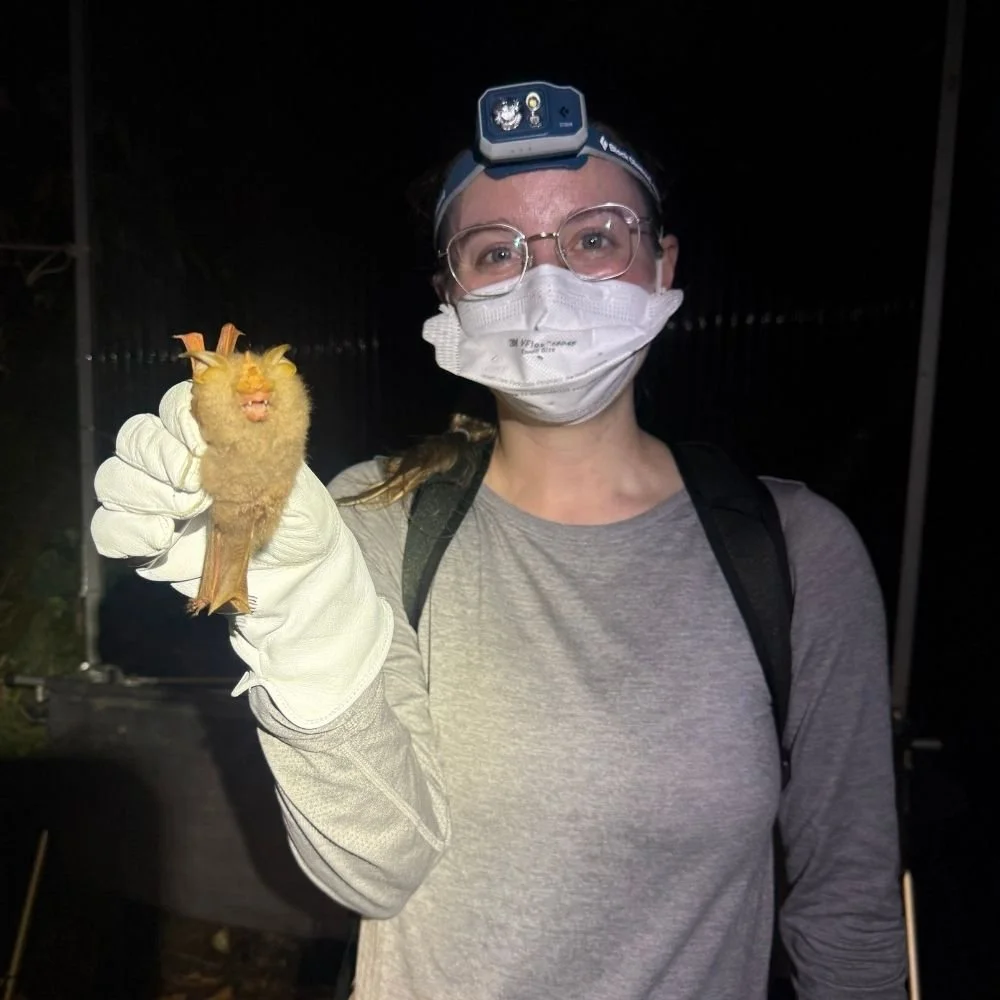
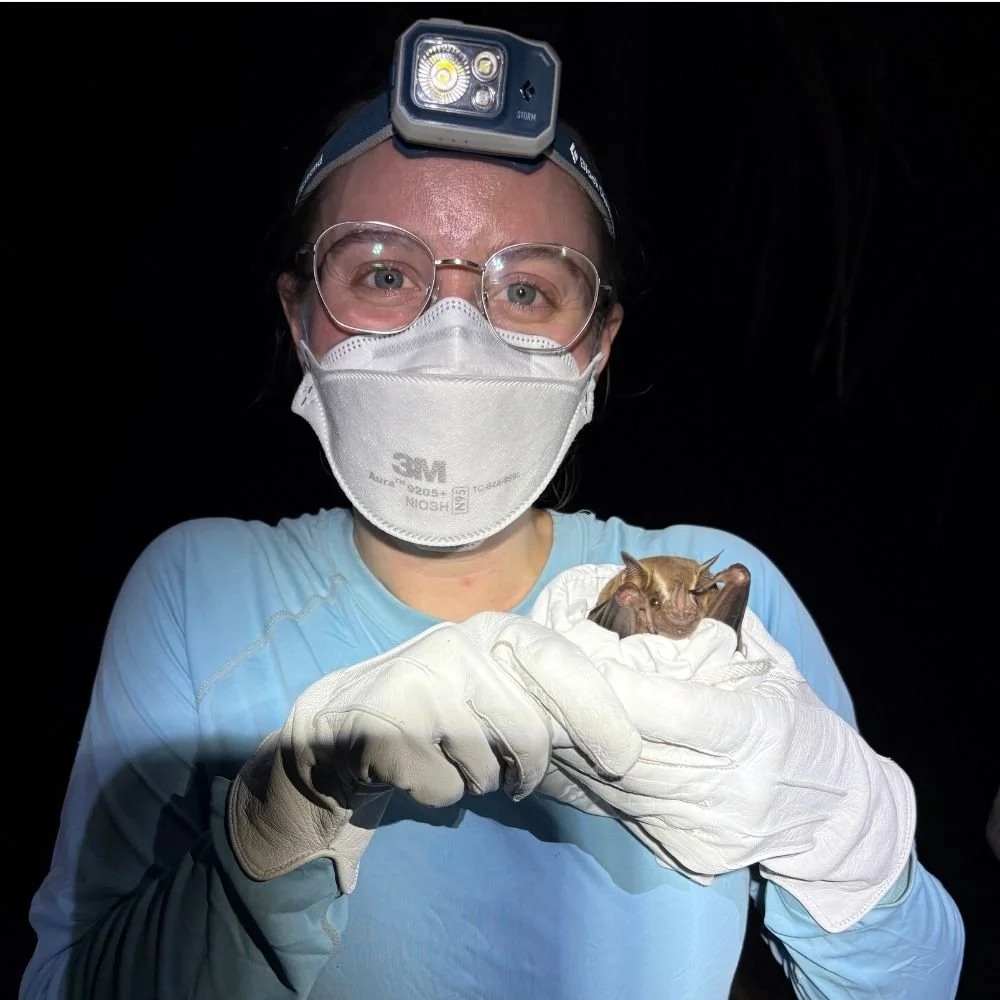
Human‑driven land‑use changes and cultural practices in the Neotropics, such as agriculture, impact wildlife biodiversity, and disease ecology. In Guyana, this project investigates how these factors shape bat diversity and the transmission pathways of trypanosomes, a diverse group of parasites that cause neglected tropical diseases such as Chagas disease. Working with the Waiwai Indigenous community, the project integrates biodiversity surveys and molecular analyses with Traditional Ecological Knowledge (TEK). By studying historical agricultural sites, the project aims to understand host–parasite interactions among wildlife, domestic animals, and humans. This work supports local conservation and public health efforts and helps preserve TEK.
Project Gallery

Related News about Lexi